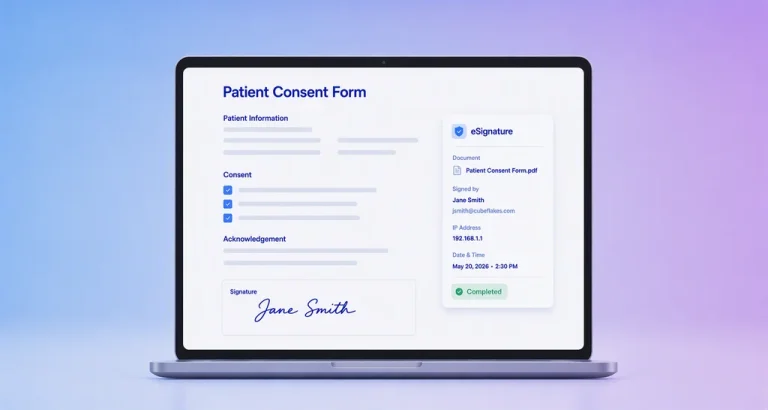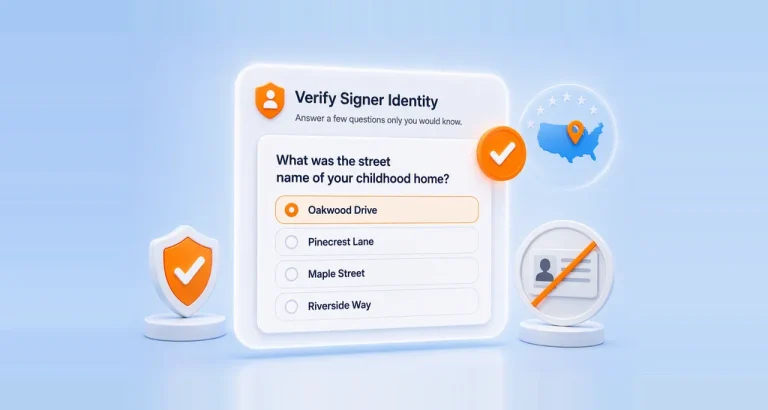



In this webinar, BoldSign developer Harini Chellappa demonstrated how to collect e‑signatures directly from a WordPress site with BoldSign, no coding required. The demo focused on the bulk link feature. With it, you create a single signing link and embed it on a WordPress page, prefilling signer details through URL query parameters and tracking responses with validation rules. If you missed the webinar, or would like to watch it again, the recording is posted to our YouTube channel and embedded below.
Who this is for
- WordPress site owners who need a quick, no‑code signature process.
- Nonprofits, clubs, and HR teams collecting the same form from many people.
- Teams standardizing volunteer forms, onboarding docs, membership agreements, and registrations.
Key takeaways
- Bulk links let many people sign the same document individually from a single URL.
- You can embed a BoldSign link in WordPress using a simple HTML iframe block.
- Email verification (OTP) can be turned on or off at the bulk‑link level.
- URL query parameters can be used to prefill signer fields (name, email address) and form fields (text box, editable dates, etc.).
- Validate who can sign using regex-based email rules; limit total signers; set expirations; allow or disallow multiple signatures from the same email address.
- Track responses in real time and export signer data to CSV format.
Create a bulk link step‑by‑step
- From the BoldSign dashboard, set a title, enter welcome and acknowledgment messages, upload your document or template, configure the signer role, and add form fields.
- Copy the generated iframe snippet and paste it into the WordPress custom HTML block where you want the form to appear.
- Choose whether to require an OTP via email for extra verification or disable it to streamline access.
- Append URL parameters to pass the signer name, email address, and form field values.
- Monitor the status and total responses. Enforce regex-based email rules to restrict who can sign (e.g., allow only specific domains).
- Set signer limits, link expirations, and whether a single email can submit multiple signatures.
- Download responses to a CSV file for reporting or downstream processing.
Time stamps
[00:00] Introduction
[00:20] What is BoldSign; Bulk link basics and use cases
[01:23] Agenda
[02:07] Why bulk links (volunteers, onboarding, registrations)
[03:12] Demo: create a bulk link (title, messages, document, role, fields)
[05:10] Get embed code; paste iframe in WordPress HTML block
[05:52] Signer flow with email OTP verification enabled
[06:27] Disable email verification; streamlined access
[07:12] Prefilling overview (query parameters for signer + fields)
[08:23] Examples; add phone field by field ID; live prefill demo
[10:18] Track responses on bulk links page (status, totals)
[10:34] Add regex email validation (allow specific domains)
[11:44] Limits, expiration, allow multiple signatures per email
[12:30] Export responders to CSV; wrap-up and resources
Q&A
How do I automate sending an email or text to someone with a document for them to sign?
You can use our APIs to automate document sending via email and SMS. You can refer to this documentation to get started.
Try it out
Create a bulk link in BoldSign, embed it in a WordPress page, and share the URL with your signatories. Use query parameters to prefill known details and add regex validation to ensure only eligible email addresses can sign.
Resources
Prepopulate signer information (KB)
Embed signing in an iframe (Developers)